The Story of Indo-Chinese Cuisine and Its Indian Street Food Roots
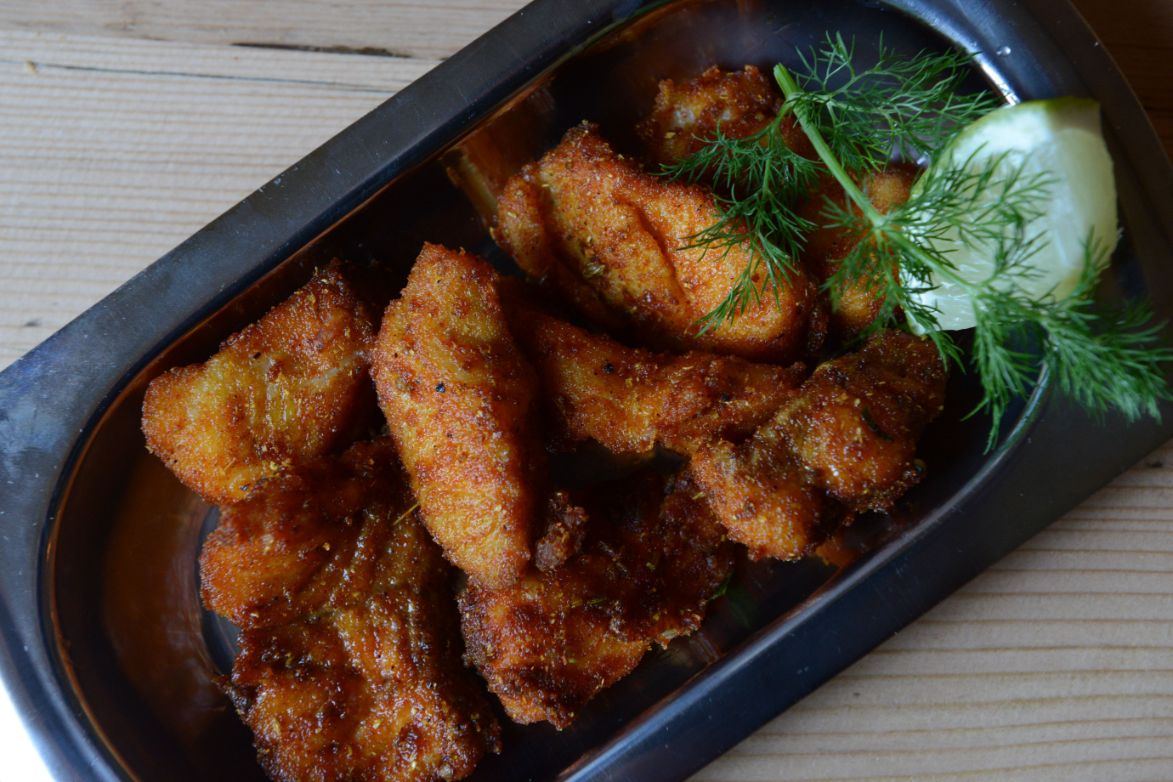
Chilli Chicken, Gobi Manchurian and Chicken Manchurian may feel completely at home on an Indian menu, but their story is very different from that of dosa, biryani or traditional regional curries. Indo-Chinese cuisine grew from cultural exchange, migration and the ability of cooks to adapt food to the tastes of the communities around them.
Its roots are closely connected to Kolkata and the city's Chinese community. Over generations, Chinese culinary influences met Indian ingredients and preferences for stronger seasoning, creating something new: a fusion cuisine that developed an identity of its own.
Today, Indo-Chinese food can be found everywhere from Indian street-food stalls to restaurants around the world. For diners searching for an Indian restaurant Newcastle can offer with both regional and fusion dishes, understanding this history makes favourites such as Chilli Chicken and Gobi Manchurian even more interesting.
Where Did Indo-Chinese Cuisine Begin?
Chinese Communities in Kolkata
The story of Indo-Chinese cuisine is closely linked with Chinese migration to Kolkata, formerly Calcutta.
Chinese communities established themselves in the city over generations, bringing their own culinary traditions with them. Restaurants and food businesses became an important part of the community, but the food gradually changed as cooks responded to local ingredients and Indian diners.
Chinese-inspired techniques began meeting flavours familiar to Indian palates.
Garlic became more prominent. Chilli brought stronger heat. Sauces developed bolder savoury and tangy notes, while Indian seasoning helped create dishes quite different from those traditionally eaten in China.
From this cultural exchange, Indian Chinese – commonly called Indo-Chinese – cuisine emerged.
How Chinese Cooking Adapted to Indian Tastes
Successful fusion cuisine is rarely created by simply putting two traditional dishes together. It develops naturally as cooking techniques, ingredients and tastes influence each other.
Indo-Chinese food is a good example.
Its flavour profile often features combinations of:
- Garlic
- Ginger
- Fresh chilli
- Pepper
- Spring onion
- Savoury sauces
- Tangy notes
- Crisp textures
- High-heat cooking
These elements created food with the punchy character Indian diners enjoyed while retaining clear Chinese culinary influences.
Eventually, dishes developed that belonged specifically to Indian Chinese cuisine rather than either traditional Indian or Chinese cooking.
From Restaurants to Indian Street Food Culture
Indo-Chinese cuisine did not remain confined to restaurants.
Its bold flavours, quick cooking and easy-to-share dishes made it naturally suited to India's energetic street-food culture.
Street stalls and casual eateries adapted Indo-Chinese favourites into affordable, satisfying food for students, office workers, families and evening crowds.
That environment helped turn Indo-Chinese food into everyday comfort food.
Today, the cuisine is associated with the sights and aromas of busy Indian food streets: hot cooking surfaces, sizzling ingredients, garlic, chilli and dishes prepared for people gathering with friends.
This connection with casual dining remains an important part of its appeal.
Chilli Chicken: An Indo-Chinese Icon
Chilli Chicken is one of the dishes most strongly associated with Indo-Chinese cuisine.
Rather than resembling a traditional Indian chicken curry, it delivers a completely different experience. Chilli-led seasoning, savoury flavours and Chinese-inspired cooking influences give it the bold personality associated with Indian street food.
Its popularity also demonstrates why Indo-Chinese food became so successful: it is easy to share, packed with flavour and familiar enough to be comforting while still feeling distinctive.
For diners exploring Indo-Chinese food in Newcastle upon Tyne, Chilli Chicken provides a natural introduction to the cuisine.
The Story Behind Manchurian-Style Food
An Indian Creation with a Chinese-Inspired Name
Manchurian dishes are among the most interesting examples of how Indo-Chinese cuisine developed its own identity.
Despite the geographical name, the Manchurian dishes familiar across India belong to the Indian Chinese food tradition rather than representing the traditional cuisine of Manchuria.
The style became associated with boldly seasoned dishes featuring Chinese-inspired sauces adapted to Indian tastes.
Over time, numerous variations appeared.
Two particularly familiar examples are Chicken Manchurian and Gobi Manchurian.
Gobi Manchurian and India's Vegetarian Food Culture
Gobi Manchurian demonstrates another reason Indo-Chinese cuisine fitted so naturally into India: its adaptability.
“Gobi” means cauliflower, and transforming it into the centrepiece of a strongly flavoured Indo-Chinese dish made the cuisine accessible to India's large vegetarian dining culture.
Rather than treating cauliflower as a minor accompaniment, Gobi Manchurian gives it centre stage.
The result combines:
- Contrasting textures
- Bold seasoning
- Savoury flavours
- Chilli warmth
- Vegetarian-friendly ingredients
It remains a useful choice for mixed groups because both vegetarian and non-vegetarian diners can share it.
Why Indo-Chinese Food Became So Popular
The enduring appeal of Indo-Chinese food is not difficult to understand.
It combines several qualities people often want from casual dining:
Bold flavour: Chilli, garlic and savoury seasoning create immediate impact.
Texture: Crisp and softer elements provide satisfying contrast.
Sharing: Many dishes work naturally in the centre of the table.
Choice: Chicken and vegetarian dishes make it suitable for different preferences.
Comfort: Despite being fusion cuisine, Indo-Chinese food has been part of Indian dining culture for generations.
It is now firmly established as its own Indian food tradition.
Indo-Chinese Food Meets South Indian Dining
India's food culture is never limited to one region or influence. Modern restaurant dining often allows different traditions to meet around the same table.
At Dosa Kitchen in Jesmond, diners can explore Indo-Chinese favourites such as:
- Chilli Chicken
- Chicken Manchurian
- Gobi Manchurian
They can then move into distinctly South Indian dishes such as Masala Dosa, DK's Paneer Tikka or Chicken Chettinad Masala.
This creates an interesting dining journey. A meal can begin with the fusion flavours of Kolkata's Indian Chinese heritage before moving south towards Tamil-inspired dosa, grills and curries.
For anyone looking for an Indian restaurant in Newcastle upon Tyne with varied regional influences, this makes sharing dishes particularly rewarding.
A Street-Food-Inspired Night in Jesmond
Indo-Chinese food works especially well for a relaxed evening with friends or family.
Instead of following a formal starter-and-main structure, try creating a sharing table.
Start with Gobi Manchurian and Chilli Chicken. Add a crisp Masala Dosa for contrast, then choose a South Indian curry or grilled dish if you want something more substantial.
Finish with Kumbakonam Degree Coffee or Masala Cutting Chai.
The result captures something important about Indian street-food culture: different flavours can comfortably coexist, and sharing is often more enjoyable than sticking to one plate.
From Kolkata's Food Culture to Newcastle upon Tyne
The story of Indo-Chinese cuisine shows how migration and cultural exchange can create something entirely new. What began through the meeting of Chinese culinary traditions and Indian tastes developed into a food culture loved across India and far beyond.
Today, dishes such as Chilli Chicken and Gobi Manchurian continue that story.
For anyone searching for an Indian restaurant Newcastle diners can visit to explore Indo-Chinese and South Indian flavours together, Dosa Kitchen in Jesmond offers the opportunity to experience this fascinating fusion alongside dosa, grills and regional curries.